Why Rome Deserves More Than a Weekend
Rome is one of those rare cities that refuses to be rushed. Every piazza tells a story, every block hides a basilica, and every trattoria serves a plate of pasta that will haunt your dreams for years. Three days is the absolute minimum — but if you plan it right, you will leave feeling you have genuinely lived inside the city rather than simply passed through it.
Day 1 — Ancient Rome: Where Civilisation Was Born
Morning: The Colosseum and Roman Forum
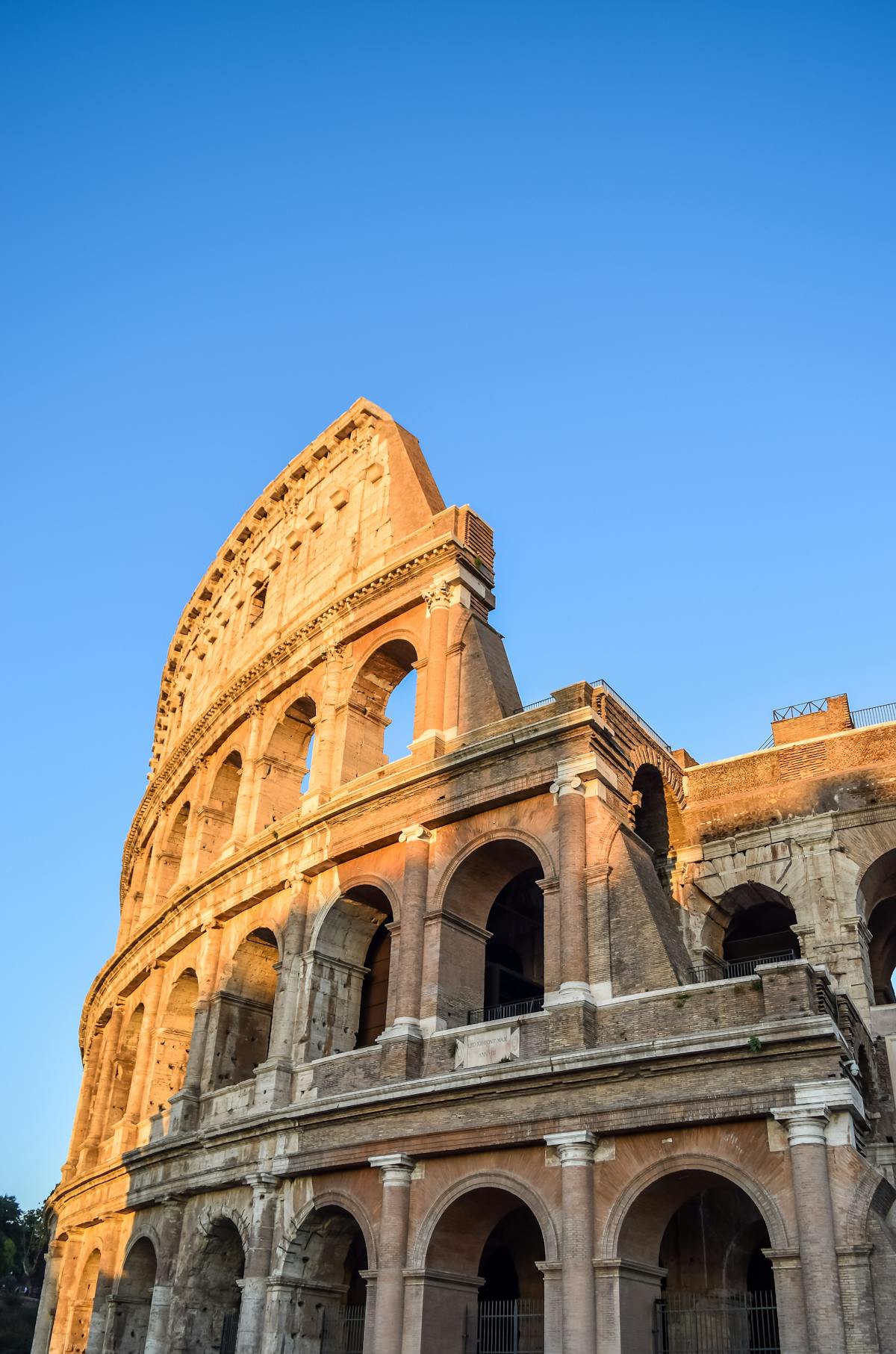
Start before 8:30am. This is not a suggestion — it is the single most important piece of advice in this guide. The Colosseum (Piazza del Colosseo) receives over six million visitors a year, and the queues from mid-morning onwards are genuinely brutal. Book your combo ticket online (approximately 18€ per person) which includes access to the Roman Forum and Palatine Hill. Together, these three sites form the beating heart of ancient Rome and deserve at least three hours.
Inside the Colosseum, the audio guide (4€ extra) transforms what could be an empty concrete shell into a living arena. You will stand where 50,000 Romans watched gladiatorial combat. The Forum, a five-minute walk away, reveals the nerve centre of the republic: the Temple of Saturn, the Arch of Titus, the house of the Vestal Virgins. Palatine Hill rises above it all — quieter, shadier, and offering the best elevated view of the Forum below.
Afternoon: Circus Maximus and Trastevere
Walk downhill from Palatine to the Circus Maximus, the ancient chariot-racing track that once held 250,000 spectators. Today it is a wide grassy avenue — perfect for a picnic from the nearby market. Afterwards, cross the river into Trastevere, Rome's most atmospheric neighbourhood: cobblestone alleys, ivy-draped facades, street cats sleeping on warm stone.
Spend the afternoon wandering without a plan. Stumble upon the golden mosaic ceiling of Santa Maria in Trastevere, Rome's oldest church, free to enter. Browse local ceramic and leather shops. Sit at a terrace café with a Campari spritz (around 6€) and watch the neighbourhood come alive.
Evening: Dinner in Trastevere
Trastevere has Rome's best concentration of honest, affordable restaurants. Book ahead at Osteria da Enzo al 29 (Via dei Vascellari, 29) — a family-run institution with a fixed-price lunch menu and evening à la carte. The cacio e pepe is perfect. Budget 25–30€ per person including wine. After dinner, walk fifteen minutes uphill to the Gianicolo Terrace for a panoramic view of Rome's rooftops at night, lit against a deep blue sky. Completely free. Completely unforgettable.
Day 2 — Vatican City: Art on an Impossible Scale
Morning: Vatican Museums and Sistine Chapel
Book the earliest available entry slot online (18€ per person). The Vatican Museums contain one of the greatest art collections in human history — from Egyptian artefacts to Raphael's School of Athens. Allocate two hours minimum before reaching the Sistine Chapel, which is hidden almost deliberately at the end of a long corridor.
No photograph prepares you for the Sistine ceiling. Michelangelo painted it lying on scaffolding between 1508 and 1512, an act of almost incomprehensible physical and creative endurance. Stand for at least ten minutes in silence looking up. It is worth the whole trip.
Late Morning: St. Peter's Basilica
Exit through the Vatican Museums directly into St. Peter's Square. The basilica itself is free to enter. Climb to Michelangelo's dome (8€ by foot, 6€ by lift + stairs) for one of Europe's greatest rooftop views — the colonnade arms of Bernini's piazza spread below you, the city beyond.
Afternoon: Castel Sant'Angelo and the Tiber
Walk along the Borgo Pio, a medieval street lined with restaurants, to Castel Sant'Angelo (entry 15€). The cylindrical fortress — built as a mausoleum for Emperor Hadrian in 135AD, later converted into a papal refuge — offers remarkable views of the Tiber and the city from its terrace.
In the afternoon, cross the Ponte Sant'Angelo (lined with Bernini angels) and head into the historic centre for a proper gelato from Della Palma or the less famous but excellent Otaleg in Trastevere.
Day 3 — Renaissance Rome: Masterpieces in Plain Sight
Morning: Pantheon and Piazza Navona
The Pantheon (Piazza della Rotonda) is perhaps the most perfectly preserved ancient building on Earth. Completed by Emperor Hadrian in 125AD, its coffered concrete dome — with the 9-metre oculus open to the sky — was the world's largest unreinforced dome for 1,300 years. Entry costs 5€. Arrive at 9am to miss the worst of the crowds.
A five-minute walk brings you to Piazza Navona, Baroque Rome at its grandest. The piazza is built on the footprint of an ancient stadium. Bernini's Fountain of the Four Rivers dominates the centre, a muscular, theatrical masterpiece. Buy a cornetto from a nearby bar (around 1.50€) and eat it standing in the square — a perfectly Roman moment.
Afternoon: Campo de' Fiori and the Jewish Ghetto
Campo de' Fiori hosts a food market until around 2pm, selling fresh fruit, artisan cheeses, spices and street food. Grab lunch here. The square has a darker history — it was a site of public executions; the hooded statue at its centre is Giordano Bruno, burned for heresy in 1600.
Walk ten minutes south into the Jewish Ghetto, one of Rome's oldest and most overlooked neighbourhoods. The Jewish Museum (entry 11€) tells the 2,000-year history of Rome's Jewish community. Nearby, Largo di Torre Argentina reveals the exact ruins where Julius Caesar was assassinated in 44BC — and is now home to a famous colony of street cats.
Evening: Trevi Fountain After Dark
Visit the Trevi Fountain after 11pm, when the tourist crowds thin dramatically and the fountain is lit against the Roman night. Toss your coin. Standing alone before Nicola Salvi's baroque masterpiece under the Roman sky is an experience that resists any adequate description — you simply have to be there.
Where to Stay in Rome
Rome's accommodation ranges from dormitory hostels at 20€/night to five-star hotels at 800€+. The sweet spot for most travellers is a boutique hotel or quality B&B in the Trastevere or Centro Storico areas — both walkable to the main sights.
Practical Information
| Item | Cost |
|---|---|
| Colosseum + Forum + Palatine | 18€ |
| Vatican Museums + Sistine Chapel | 18€ |
| Pantheon | 5€ |
| Castel Sant'Angelo | 15€ |
| Average dinner (trattoria) | 25–35€ |
| Metro / Bus single ticket | 1.50€ |
| Average gelato | 2.50€ |
Getting around: Rome's metro has only two useful lines (A and B). Most sightseeing is done on foot or by bus. Buy a 48-hour travel card (7€) if you plan to use public transport regularly.