The Country That Takes Food More Seriously Than Anyone
Italy's relationship with food is not enthusiasm — it is civilisational commitment. The country has 833 Protected Designation of Origin (DOP/PDO) food products — more than any other country in the world. The argument between cities over the correct way to make ragù (slow-cooked meat sauce) has lasted centuries. The distinction between a parmigiana made in Naples and one made in Sicily is a matter of genuine regional pride. To eat your way through Italy is to understand something essential about how a culture preserves its identity.
Emilia-Romagna: The Undisputed Capital of Italian Gastronomy
Italians themselves acknowledge Emilia-Romagna as the country's finest food region. Its cities — Bologna, Parma, Modena, Ferrara, Reggio Emilia — have collectively produced more iconic Italian food products than any other region on Earth.
Bologna — La Grassa (The Fat One)
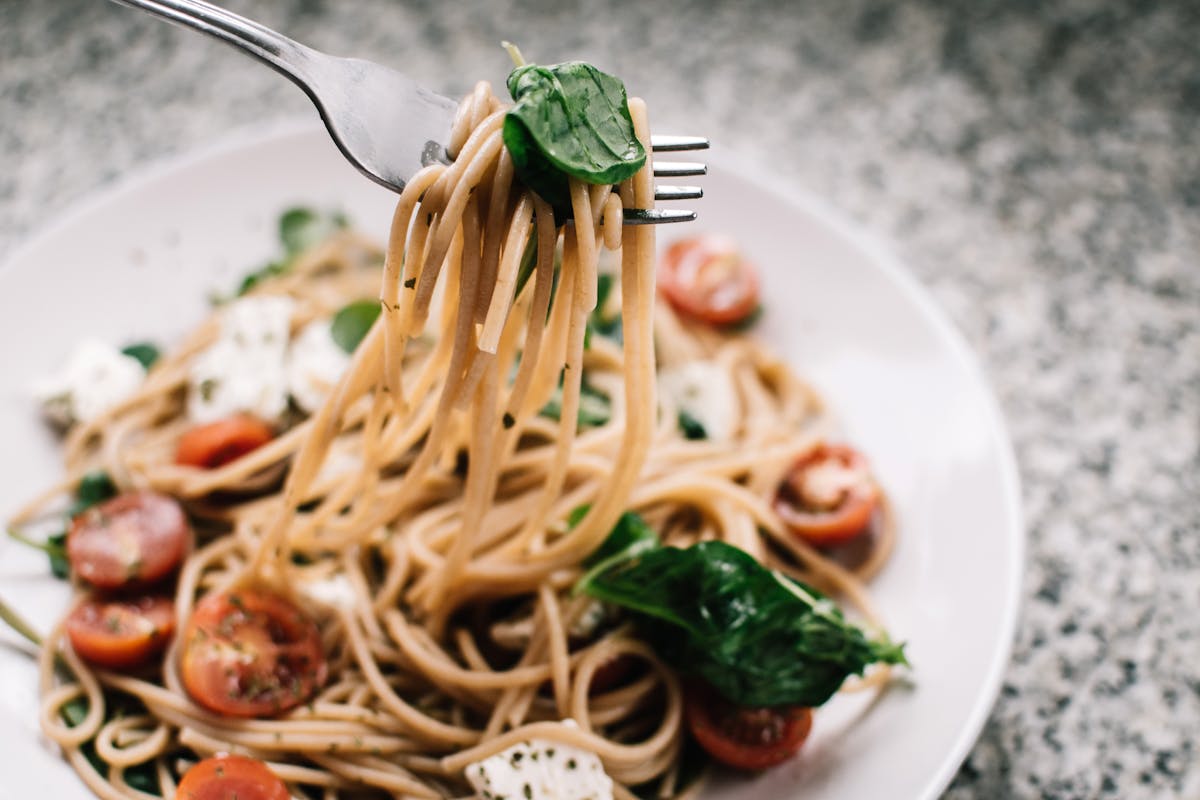
Bologna's nickname captures everything. It is the birthplace of Bolognese ragù (tagliatelle al ragù — never, ever with spaghetti; the Bologna Chamber of Commerce has the 'correct width' of tagliatelle registered in gold on file at their headquarters), tortellini (the pasta allegedly modelled on the navel of Venus), mortadella (the original luncheon meat — nothing like its industrial derivatives), and lasagne verde al forno (green pasta layered with béchamel and ragù).
Lunch at Trattoria di Via Serra or Osteria dell'Orsa: a three-course meal (antipasto, primo, secondo) with wine costs €20–30 and will recalibrate your understanding of what pasta can be.
Parma — Ham and Cheese
Prosciutto di Parma and Parmigiano Reggiano are two of the world's great cured products, and both can be tasted at source. The prosciutto consortiums north of Parma welcome visitors for tours and tastings ($15–25). The Parmigiano Reggiano dairies (open most weekday mornings) show the extraordinary process — milk from the morning's milking curdled, pressed and salted, then aged for a minimum of 12 months — that produces 40 kilograms of cheese from 550 litres of milk.
Modena — Balsamic Vinegar and Massimo Bottura
Traditional balsamic vinegar of Modena (Aceto Balsamico Tradizionale di Modena DOP) is nothing like the cheap balsamic sold in supermarkets. Aged for a minimum of 12 years (up to 50+) in a sequence of increasingly small wooden barrels, the final product is syrupy, complex and extraordinary. A 100ml bottle of 25-year-aged costs €80–120. Worth every cent.
Osteria Francescana (Modena) — three Michelin stars, consistently among the world's top five restaurants, run by Massimo Bottura — has a 12-month waiting list for dinner reservations. Lunch is slightly more accessible. A tasting menu costs €350+. The experience is extraordinary.
Tuscany: Wine, Truffles and Bistecca
Tuscany offers the best integration of food, wine and landscape in Italy. The Chianti Classico wine zone (the heart of Tuscany, between Florence and Siena) produces the finest Sangiovese-based wine in Italy; the white truffles of San Miniato (October–December) are among Europe's greatest seasonal luxuries; and the bistecca alla Fiorentina (discussed in the Florence article) is among the world's great steaks.
Siena's panforte (a dense cake of honey, nuts and spice, dating from the 13th century), ricciarelli (almond biscuits), and pici (a thick, hand-rolled pasta served with wild boar ragù or all'aglione — a tomato and garlic sauce) are all distinctly Sienese.
Naples and Campania: Pizza, Mozzarella and Ragù
Pizza was invented in Naples, and nowhere in the world makes it better. The Neapolitan pizza specifications are strict and have EU protected status: 00 flour, San Marzano tomatoes (grown in the volcanic soil south of Naples), fior di latte or buffalo mozzarella, wood-fired oven at 485°C, cooked in 60–90 seconds. The result — soft, charred, slightly wet in the centre — is technically and gastronomically nothing like what is sold as 'pizza' in most of the world.
The benchmark: Da Michele (Via Cesare Sersale 1, Naples) — founded 1870, serves only margherita and marinara, queue always out the door, possibly the finest pizza on Earth. Cash only. Margherita costs €5.
Buffalo mozzarella (mozzarella di bufala campana DOP) from the Caserta or Paestum areas south of Naples — soft, wet, slightly sour, nothing like the supermarket product — costs €4–7 per ball and should be eaten within hours of production. Visit a mozzarella dairy in the Caserta countryside for the full experience.
Sicily: The Island at the Crossroads
Sicilian food is not quite Italian — it reflects 2,500 years of Greek, Arab, Norman, Spanish and Italian influence simultaneously. Arancini (rice balls stuffed with ragù or spinach and cheese, fried in breadcrumbs — the Arab influence), caponata (a sweet-sour aubergine stew — also Arab), pasta alla Norma (Catania's great pasta: tomato sauce, fried aubergine, ricotta salata), and granita (lemon, almond or coffee — a completely different texture from gelato) are all distinctly Sicilian.
Palermo's street food market — the Vucciria and Ballarò — is one of Europe's finest. Eat pane e panelle (fried chickpea fritters in bread), sfincione (Sicilian thick pizza), and grilled offal (stigghiola — skewered intestines — is not for the faint-hearted but is unmistakably authentic).
Piedmont: Truffles, Tajarin and Barolo
Piedmont is Italy's other great food region, less famous internationally than Emilia-Romagna but equally extraordinary. White truffles of Alba (September–November) are the most valuable food product by weight in Europe — up to €4,000 per kilogram. Shaved over egg tajarin (a very fine Piedmontese pasta made with 40 egg yolks per kilogram of flour), they are one of the world's great flavour experiences.
Barolo and Barbaresco — Piedmont's great red wines, both made from Nebbiolo — are Italy's most age-worthy, complex reds. A cellar tour and tasting in the Langhe hills around Alba is the ideal afternoon.