Where Animals Still Live Like They Did Before Humans Changed Everything
There are places on Earth where the animal kingdom operates at its full, ungoverned scale. The Masai Mara is one of them. A game drive in the Mara at dawn — elephants moving through the golden grass, a pride of lions still visible from last night's kill, a cheetah climbing a termite mound to survey the plain, the Mara River glinting in the morning light — is one of the most profound experiences available to any traveller. It is not entertainment. It is a reminder of what this planet was before we reduced it.
The Great Migration: The World's Greatest Wildlife Event
The Great Wildebeest Migration is a continuous circular movement of approximately 1.5–2 million wildebeest (plus 200,000 zebra and gazelle) between the Serengeti ecosystem in Tanzania and the Masai Mara in Kenya. It is driven entirely by rainfall and grass availability.
The Mara River Crossing (July–October) is the most dramatic phase. The wildebeest, having grazed the Serengeti and following the rains north, must cross the Mara River — where up to six-metre Nile crocodiles wait in the shallows. The crossings are chaotic, violent and extraordinarily moving. A crossing can involve 10,000 wildebeest crossing in 20 minutes; others abort entirely when the lead animals lose nerve.
Beyond the Migration: The Big Five
The Mara is arguably the finest destination for Big Five wildlife viewing (lion, leopard, elephant, buffalo, rhino) at any time of year:
Lions: The Mara has one of Africa's highest lion densities. Multiple resident prides; encounters at kills are common during morning game drives.
Leopards: Notoriously difficult elsewhere; the Mara's tree cover along the rivers makes leopard sightings more frequent than in open-plain ecosystems. Leopards hunting at dusk or dawn are among wildlife photography's highest prizes.
Elephants: Large herds, habituated to vehicles, often viewable at close range.
Black Rhinos: Present but rare; sightings require luck and a knowledgeable guide.
Buffalos: Enormous herds — thousands of individuals — are common.
Cheetahs and Wild Dogs: The Mara's open plains make cheetah sightings frequent (particularly families with cubs). African wild dogs are present but elusive.
Choosing Your Accommodation
Budget: Tented Camps and Mid-Range Lodges ($150–350 per person/night all-inclusive)
Several quality tented camps operate on the reserve edges and in adjacent conservancies. Mara Bush Houses, Ol Kinyei Conservancy camps and various options around Talek Gate offer authentic bush experiences at significantly lower prices than the luxury camps. All-inclusive rates cover accommodation, meals, game drives and usually transfers.
Luxury: The Classic Safari Experience ($500–1,500+ per person/night)
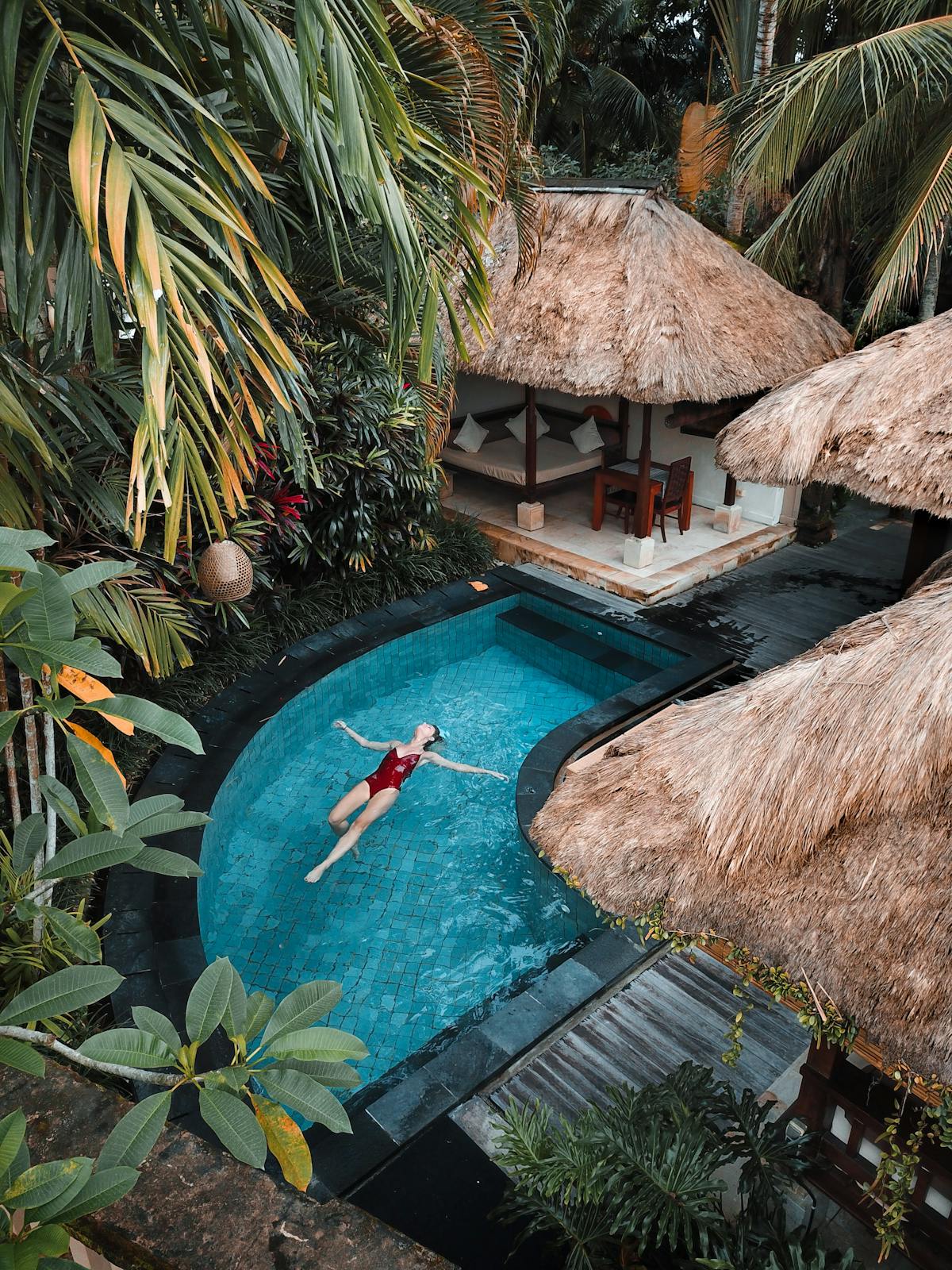
andBeyond Bateleur Camp, Angama Mara (the cliff-top camp that appeared in Out of Africa), and Mahali Mzuri (Richard Branson's camp) represent the pinnacle of the safari lodge experience: private plunge pools, gourmet bush dining, expert naturalist guides and helicopter transfers.
The Conservancy Advantage
The Masai Mara National Reserve (the government-managed core area) is excellent but gets very busy during migration season — 100+ vehicles at a crossing is not unusual. The private conservancies surrounding the reserve (Olare Motorogi, Naboisho, Mara North, Ol Kinyei) charge higher fees but limit vehicle numbers strictly — you may be the only vehicle at a game sighting. The wildlife density in the conservancies matches or exceeds the reserve.
Hot Air Balloon Safari
A dawn balloon flight over the Mara ($500–600 per person, champagne bush breakfast included) is the single most expensive and most consistently extraordinary safari experience available. Rising at 5:30am, lifting off before dawn, floating silently above herds of wildebeest and zebra for an hour, then landing on the plain for breakfast as the sun rises — no vehicle can provide this perspective. If budget permits, prioritise it above all else.
Practical Information
Getting there: Daily scheduled flights from Nairobi's Wilson Airport to Masai Mara airstrips (Keekorok, Ol Kiombo) — 45 minutes, approximately $200–300 return. Alternatively, a 6-hour road transfer from Nairobi (free with some lodges).
Nairobi: Spend one night in Nairobi before and after the Mara. The Giraffe Centre (afternoon activity, €12) — where you can hand-feed endangered Rothschild's giraffes from an elevated platform — is a remarkable experience in its own right.
Visa: Most nationalities require a Kenya e-Visa ($50, apply online before travel).
Best season: July–October for the Great Migration. January–February for the calving season in the southern Serengeti (accessible with a Tanzania extension). Year-round wildlife is excellent in the Mara.