Tokyo for Food Lovers: A 6-Day Culinary Journey
Tokyo has more Michelin stars than any other city on earth — more than Paris, more than New York, more than London. But the city's food glory runs far deeper than fine dining. The ramen shop in a basement, the yakitori counter under the train tracks, the 3am bowl of tonkatsu ramen — Tokyo's food culture is both technically spectacular and emotionally generous.
Neighbourhood-by-Neighbourhood Eating
Tsukiji Outer Market
The inner market moved to Toyosu, but the outer market remains. Arrive by 7am for the freshest tuna sashimi, sea urchin on rice, and tamagoyaki omelette. This is breakfast in Tokyo at its best.
Shibuya & Shinjuku: Izakaya Row
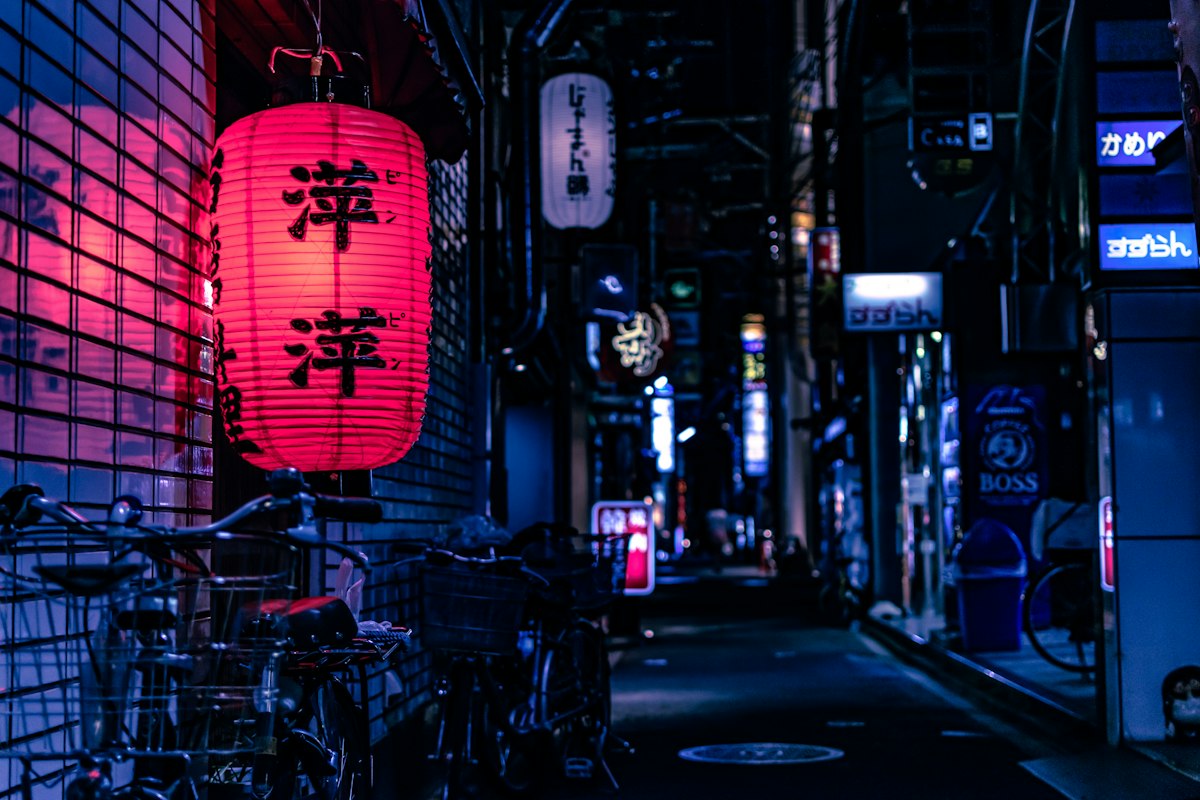
Both neighbourhoods have streets of izakaya (Japanese pub-restaurants) open until 2am or later. Order edamame, yakitori, agedashi tofu and cold Sapporo. The no-menu, point-and-order format is part of the charm.
Ginza: Sushi Counter Experience
Book months in advance for an omakase counter experience at a Michelin-starred sushiya. Sukiyabashi Jiro (Jiro Dreams of Sushi) has a 3-month wait. More accessible options: Sushi Saito (equally celebrated, slightly easier to book through a hotel concierge) or Harutaka.
Asakusa: Traditional Shitamachi Food
This oldest quarter of Tokyo preserves the shitamachi (low city) character. Tempura at Daikokuya (est. 1887), ningyo-yaki (small sponge cakes shaped as figures), and matcha soft serve from Naniwaya on Nakamise street.
Ramen: Where to Go
Tokyo ramen is distinct from Sapporo (miso), Fukuoka (tonkotsu) and Kyoto (lighter shoyu). The Tokyo style is a complex soy-based broth — clean, layered, precise.
- Fuunji (Shinjuku) — exceptional tsukemen (dipping noodles), queue from 11am
- Ichiran (multiple locations) — solo booths, tonkotsu from Kyushu, very good for first-timers
- Afuri (Harajuku) — yuzu shio ramen, lighter style, beautiful
Convenience Store Revelation
7-Eleven, FamilyMart and Lawson in Japan are genuinely good. The onigiri (rice balls), nikuman (steamed pork buns), hot coffee and fresh sandwiches are all far above what convenience store food should be. Breakfast at a konbini costs €2–3.
Where to Stay
Luxury: Aman Tokyo occupies the top six floors of the Otemachi Tower, with views across the Imperial Palace gardens. Breakfast here — Japanese or Western — is one of the finest hotel meals in the city.
Park Hyatt Tokyo is the Lost in Translation hotel. The New York Bar on the 52nd floor, the poolroom, and the neighbourhood's quieter elegance make it the best luxury hotel in Shinjuku.
Mid-range: The Celestine Tokyo Ginza is a beautifully designed mid-range hotel steps from Ginza's sushi bars and department store food halls.
Sequence Miyashita Park in Shibuya sits above a rooftop park, with rooms that look straight at the new Shibuya crossing extension. Very good value.
Budget: Capsule Value Kanda — a quality capsule hotel for those who want the quintessential Tokyo budget experience. Surprisingly comfortable and great for solo travellers.