The Democracy of Great Food
Street food is the most democratic form of gastronomy. It makes no reservations. It requires no dress code. It does not exist to impress investors or critics. It exists because someone, working from a cart or a wok or a clay oven, has made the same dish every day for twenty years and does it better than anyone with a Michelin star. These ten cities represent the highest achievement of this tradition.
1. Singapore — The Street Food Capital of the World
Singapore's hawker centres — open-air food markets where individual stalls each specialise in a single dish — are the world's most concentrated street food ecosystem. UNESCO recognised them as part of the Intangible Cultural Heritage of Humanity in 2020.
What to eat:
- Chicken rice (Hainanese hainan ji fan): Poached or roasted chicken over rice cooked in the poaching stock, served with chilli sauce and ginger paste. The definitive Singapore dish. $4–5.
- Laksa: A spicy coconut milk noodle soup with shrimp, cockles and a boiled egg. $4–6.
- Char kway teow: Flat rice noodles stir-fried in a screaming-hot wok with egg, chinese sausage, bean sprouts and cockles. The best are served from traditional hawkers using charcoal fires. $4–7.
- Chilli crab: The premium option — Sri Lankan mud crab in a sweet-spicy tomato chilli sauce. $40–60 per crab.
Where: Maxwell Food Centre, Lau Pa Sat, Chinatown Complex, Old Airport Road.
2. Bangkok — Flavours That Overwhelm in the Best Way
Bangkok's street food culture is covered in depth in the Bangkok itinerary article, but the highlights demand specific mention:
Pad Thai as it was originally conceived (thin rice noodles, egg, dried shrimp, tamarind, fish sauce, palm sugar, bean sprouts, peanuts) from a wok at 300°C bears no resemblance to the dish exported worldwide. Thipsamai (Mahachai Road) is the most famous pad thai specialist in Bangkok. Queue: always. Worth it: absolutely.
Som tum (green papaya salad — pounded in a mortar with dried shrimp, tomatoes, chilli, lime and fish sauce) from Isaan food stalls around Chatuchak market. Requires specifying heat level — real Isaan som tum is extremely hot.
3. Penang, Malaysia — Southeast Asia's Most Underrated Food City
George Town on the island of Penang is the street food capital of Malaysia and arguably of all Southeast Asia. Its food reflects the Malay, Chinese Peranakan and Indian communities that have coexisted here for two centuries.
What to eat:
- Asam laksa: A Penang-specific variant — sour fish-based broth with thick rice noodles, cucumber, mint, onion, chilli. Nothing like Singaporean laksa. Extraordinary. $2.
- Char kway teow (Penang version): Wetter, smokier and more complex than Singapore's. The best is from a few specific old hawkers — ask locals. $3–4.
- Cendol: A dessert of pandan-flavoured jellies, coconut milk, palm sugar and shaved ice. $1.50.
4. Mexico City — The Taco Standard
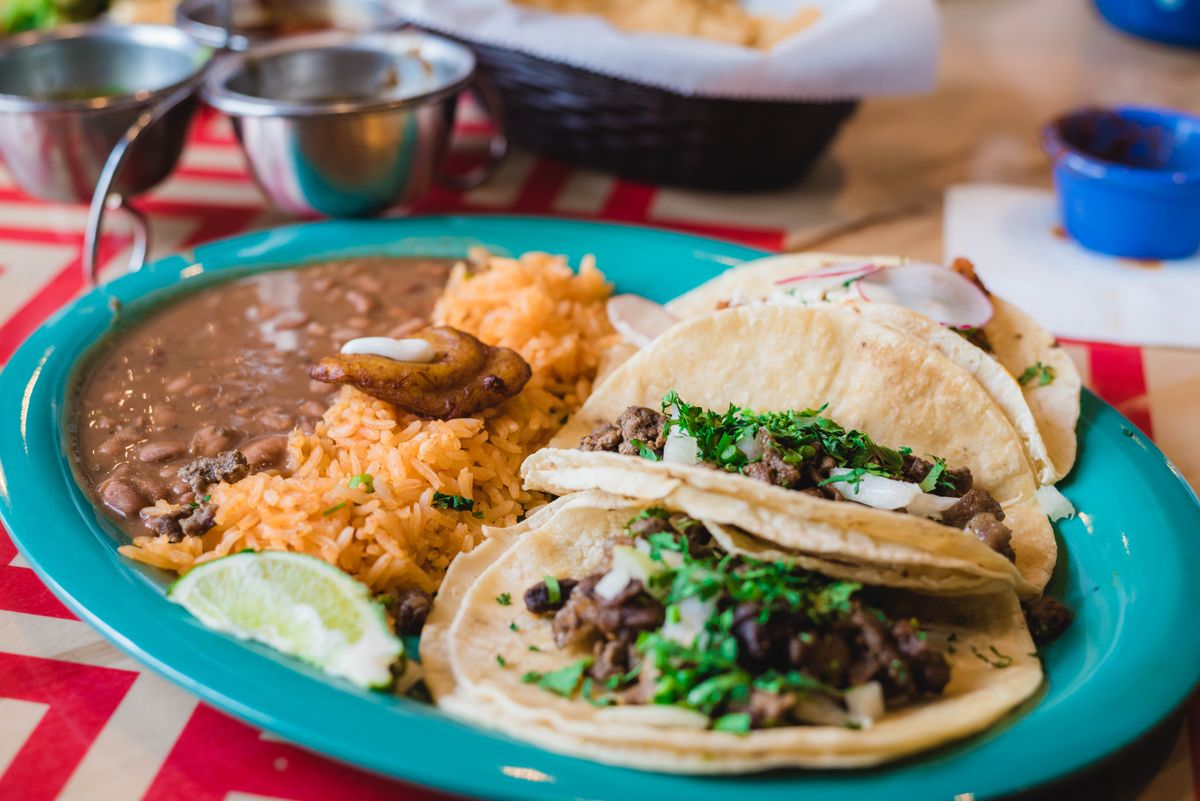
Covered in depth in the Mexico City food guide, but the taco al pastor alone justifies an international flight. The combination of Oaxacan tlayudas, Veracruz pescado a la veracruz and the extraordinary market food culture makes CDMX the definitive city for the Americas.
5. Ho Chi Minh City (Saigon) — The 4am Breakfast
Vietnamese street food in Saigon operates on a time cycle that suits nobody except the Vietnamese: bún bò Huế (spicy beef noodle soup) at 6am, bánh mì (the definitive Vietnamese sandwich — baguette with pâté, pickled vegetables, chilli and your choice of protein) at 10am, cơm tấm (broken rice with grilled pork, egg and pickled vegetables) at noon, bánh xèo (sizzling rice flour crepes filled with shrimp and pork) at 4pm.
All of these cost $1–3. All of them are better in Saigon than anywhere else on Earth.
6. Istanbul — The Ancient City of Street Food
Simit (sesame-crusted bread rings, sold by cart-pushers across the city) at $0.50 is Istanbul's breakfast. Midye dolma (mussels stuffed with spiced rice, served from street carts with a squeeze of lemon, eaten as fast as the vendor can open them) at $0.30 per shell. Balık ekmek (grilled fish sandwich sold from boats rocking in the Golden Horn, €4) is Istanbul's most atmospheric meal.
7. Naples — Where Pizza Was Born
Naples is the single-city street food capital of Italy. Beyond the pizza (the definitive street food, eaten folded in quarters — a portafoglio — while walking), Naples has:
- Cuoppo (paper cone of mixed fried seafood — calamari, prawns, anchovies, zucchini flowers): €5–8
- Pizza fritta (deep-fried pizza, invented when post-war Naples could not afford to run wood-fired ovens): €3–4
- Sfogliatella (the extraordinary pastry — either riccia (crispy, layered) or frolla (shortcrust) — filled with semolina, ricotta and orange peel): €1.50–2
8. Marrakech — Djemaa el-Fna After Dark
The Djemaa el-Fna square at night, covered in food stalls — skewered meats, steamed snails in broth, fresh-squeezed orange juice, merguez sausages, grilled corn — is one of the world's great collective food experiences. Covered in detail in the Marrakech article.
9. Chengdu, China — The Spicy Sichuan Universe
Chengdu — the capital of Sichuan province — produces China's most complex, powerful and internationally replicated cuisine. The defining feature: Sichuan peppercorns (huā jiāo), which produce a distinctive numbing sensation (má) that amplifies the effect of the chile heat (là). The combination — má là — is unlike any other culinary sensation.
What to eat:
- Dan dan noodles: Sesame paste, chilli oil, Sichuan pepper, preserved vegetables, minced pork over noodles. $1–2.
- Mapo tofu: Silken tofu in a sauce of fermented black beans, chilli bean paste, ground pork, Sichuan pepper. $3–5.
- Hot pot (huǒguō): The definitive Chengdu group eating experience — a bubbling pot of spiced broth at the table into which you dip thinly sliced meats, vegetables and tofu.
10. Tokyo — The World's Most Michelin-Starred City (And Its Street Food)
Tokyo has more Michelin stars than any other city on Earth — but its street food culture, concentrated in Tsukiji Outer Market (the world's finest fish market-adjacent street eating), Asakusa, and the depachika (department store basement food floors) is equally exceptional. A standing sushi counter breakfast at Tsukiji — six pieces of tuna, salmon and sea urchin for ¥1,500 — is among the world's great food experiences at any price point.