Japan Is Not as Expensive as You Think
The perception of Japan as prohibitively expensive is outdated. Before the pandemic, Japan had been quietly deflating for two decades — prices for food, transport and accommodation in 2025 are comparable to many Western European cities, and significantly cheaper than London, Paris or Zurich. The weak yen has made Japan even more affordable for visitors from Europe, North America and Australia. The challenge is not Japan's cost — it is knowing where to spend and where to save.
Where to Stay
Capsule Hotels
Japan's capsule hotels — individual sleeping pods stacked in rows, each with a curtain, light, charging point and often a tiny screen — are one of the world's great accommodation innovations. They are typically spotlessly clean, often single-sex, and cost ¥2,500–4,000 per night (€15–25). The shared bathroom and shower facilities are almost always excellent. Not suitable for claustrophobics, but otherwise a uniquely Japanese experience worth having.
Recommended capsule hotels:
- The Millennials Kyoto — smart pods with adjustable screens (from ¥3,800)
- Nine Hours Tokyo — minimalist design masterpiece (from ¥2,500)
- First Cabin — first-class cabin aesthetic, midpoint between capsule and private room
Hostels and Guesthouses
Quality hostels in Tokyo, Osaka and Kyoto typically cost ¥2,000–3,500 for a dorm bed — comparable to European hostels in absolute terms. Booking.com and Hostelworld both have excellent Japan coverage. Traditional ryokan (Japanese inn) guesthouses in rural areas can be surprisingly affordable outside peak season (¥6,000–10,000 including breakfast and dinner).
The JR Pass Question
The Japan Rail Pass (7 days: ~¥50,000 / €300) is one of the most discussed and most misunderstood aspects of Japan travel. The truth: it is only worth buying if you plan to travel extensively between major cities using the shinkansen (bullet train).
Calculate your actual route:
- Tokyo → Kyoto: ¥13,600 each way
- Tokyo → Hiroshima: ¥18,520 each way
- Tokyo → Osaka → Hiroshima → Kyoto → Tokyo: ~¥60,000 total without pass
If your route totals more than the pass cost — buy it. If you're spending most of your time in one or two cities — buy individual tickets (often cheaper, especially with advance booking through SmartEx or Eki-Net).
Cheaper alternatives to shinkansen:
- Willer Express / JBus: Highway buses between major cities. Tokyo–Osaka costs ¥3,500–6,000 (vs ¥13,600 by shinkansen). Takes 8 hours vs 2.5 hours, but an overnight bus eliminates a night's accommodation.
- Seishun 18 Ticket: Seasonal pass for unlimited travel on JR local trains only — extraordinary value for slow travellers (¥12,050 for 5 days of unlimited ordinary train travel).
Eating Well for Almost Nothing
The single best food budget strategy in Japan is the convenience store. This sounds like a joke. It is not.
7-Eleven, Lawson and FamilyMart in Japan sell freshly made onigiri (rice balls with various fillings, ¥130–180), hot snacks, noodle cups (prepared with store hot water, ¥200–350), sandwiches, fresh salads, cold soba, hot coffee and enormous bento boxes for ¥500–700 — meals that are genuinely good, not merely tolerable. Eating two convenience store meals and one proper restaurant meal per day is a legitimate strategy that saves thousands of yen daily.
The real budget food strategy:
| Meal | Option | Cost |
|---|---|---|
| Breakfast | Convenience store onigiri + coffee | ¥350–450 |
| Lunch | Ramen shop or gyudon (beef bowl) | ¥500–900 |
| Dinner | Izakaya (Japanese pub) set menu | ¥1,500–2,500 |
Gyudon chains (Sukiya, Yoshinoya, Matsuya) serve beef rice bowls for ¥400–600 — one of Japan's great budget meals. Standing sushi bars near fish markets (Tsukiji, Nishiki in Kyoto) serve excellent nigiri for ¥100–200 per piece — far cheaper than formal sushi restaurants.
Free and Cheap Activities
Japan has an extraordinary number of free attractions that rivals rival cities charge for:
| Attraction | City | Cost |
|---|---|---|
| Senso-ji Temple | Tokyo | Free |
| Fushimi Inari Shrine (all gates) | Kyoto | Free |
| Arashiyama Bamboo Grove | Kyoto | Free |
| Nishiki Market | Kyoto | Free |
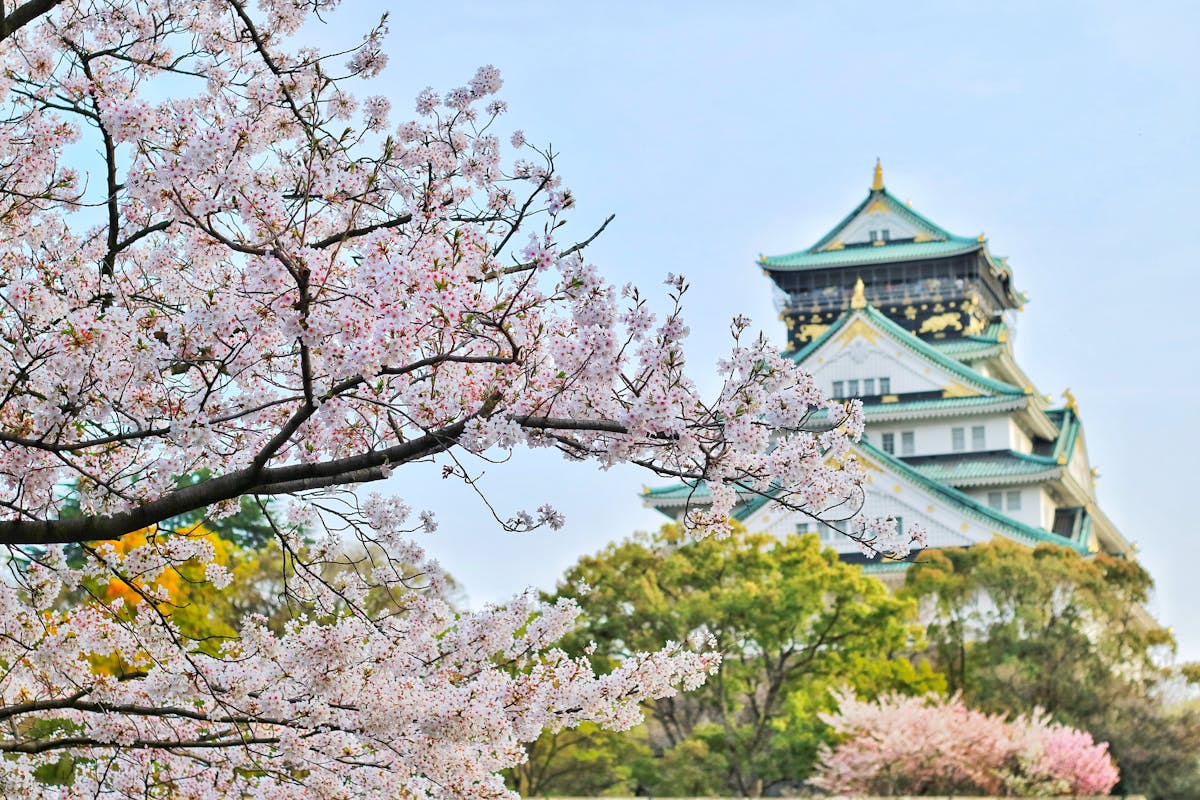
| Osaka Castle Park (exterior) | Osaka | Free |
| Hiroshima Peace Memorial Park | Hiroshima | Free |
| Shinjuku Gyoen National Garden | Tokyo | ¥500 |
| teamLab Planets | Tokyo | ¥3,200 |
| Tokyo Skytree observation deck | Tokyo | ¥2,100 |
Many temples and shrines are free to enter the grounds; inner sanctuaries or gardens sometimes charge ¥300–600.
The Japan Budget (Per Day)
| Category | Budget Option | Mid-Range |
|---|---|---|
| Accommodation | ¥2,500–4,000 | ¥6,000–10,000 |
| Food | ¥1,500–2,500 | ¥3,000–5,000 |
| Transport (within city) | ¥500–800 | ¥800–1,200 |
| Activities | ¥500–1,500 | ¥2,000–4,000 |
| Daily Total | ¥5,000–8,800 (€30–53) | ¥12,000–20,000 (€73–120) |