Tokyo: A City That Defies Expectation
No amount of research prepares you for Tokyo. You expect it to be large — it is enormous, home to 14 million people in the city proper, 37 million in the greater metropolitan area. You expect it to be modern — and it is, relentlessly so. But you do not expect the silence in its temple gardens, the precision of its service, the extraordinary depth of its food culture, or the quiet neighbourhoods that feel like villages buried inside a metropolis. Seven days gives you the beginning of an understanding.
Day 1 — Shinjuku: Neon, Ramen and the Art of Getting Lost
Land at Narita or Haneda and head directly to your hotel. Recover, shower, fight the jet lag with a walk.
Shinjuku is the ideal first-night introduction to Tokyo — chaotic, brilliant, overwhelming in the best way. Exit through the east gate of Shinjuku station and walk into Kabukicho, the entertainment district: multi-storey arcades, ramen restaurants on every corner, robot restaurants (skip them — tourist traps), and the extraordinary labyrinthine bar alleys of Golden Gai, where 200 tiny bars occupy a single city block.
Dinner: Ichiran Ramen (solo ramen booths, around 900¥ / 6€) for the classic tonkotsu experience, or try Fuunji for tsukemen (dipping ramen) if the queue is under 20 minutes.
Day 2 — Harajuku, Shibuya and Meiji Shrine
Begin at Meiji Shrine, a Shinto sanctuary tucked inside a forested enclave in central Tokyo. The contrast with the surrounding city is immediate and profound. Allow 45 minutes to walk the main approach, observe the offerings and feel the quiet. Entry is free.
Walk five minutes south to Harajuku and Takeshita Street — Tokyo's teen fashion corridor, where every subculture exists simultaneously. Colourful, loud, fascinating. Then walk west into Omotesando, the sophisticated cousin: wide tree-lined boulevard, high-end boutiques, excellent coffee shops.
Afternoon: Shibuya Scramble Crossing, the world's busiest pedestrian intersection. Watch it from the Starbucks overlooking the crossing (arrive before a wave of people — it is genuinely spectacular every five minutes). Then explore Shibuya's back streets, local record shops, and the depachika (department store basement food halls) in Hikarie.
Day 3 — Asakusa, Ueno and Old Tokyo
Asakusa is the closest Tokyo comes to its pre-modern self. Walk the Nakamise-dori shopping street leading to Senso-ji, Tokyo's oldest and most visited temple. Arrive before 8am for near-solitude in the main hall. Buy ningyo-yaki (small fish-shaped sponge cakes) from a street stall for breakfast — around 400¥.
Walk north to Yanaka, one of the few Tokyo neighbourhoods that survived both the 1923 earthquake and World War II. Its cemetery, narrow lanes, independent shops and neighbourhood sento (public bath) feel genuinely historic. This is where older Tokyo lives.
Ueno Park in the afternoon: choose between the Tokyo National Museum (Japan's largest, with extraordinary Buddhist sculpture — 1,000¥), or the free walk through the park and its street food stalls.
Day 4 — Akihabara, teamLab Planets and Odaiba
Akihabara is Tokyo's electronics and anime district — seven-storey electronics stores, maid cafés (harmlessly strange), retro game shops, and an entire ecosystem of pop culture. Even if you have zero interest in anime, the sheer density of neon and enthusiasm is remarkable. Spend two hours maximum.
Afternoon: teamLab Planets Toyosu — an immersive digital art experience unlike anything else on Earth. You walk through water, into forests of infinite light, through rooms where flowers bloom and decay in real time. Book tickets in advance (3,200¥). Allow two hours. This single experience justifies the flight to Tokyo.
Evening in Odaiba: the artificial island in Tokyo Bay. The view back toward the city at night — Rainbow Bridge lit against the skyline — is one of Japan's great urban vistas.
Day 5 — Day Trip: Nikko
Take the Tobu Nikko Line from Asakusa (around 1,400¥ one way) for the two-hour journey to Nikko — Japan's most ornate shrine complex, set deep in forested mountains. The Tosho-gu Shrine (entry 1,300¥) is a masterpiece of Edo-period craftsmanship: lacquer, gold leaf, carved monkeys (including the famous 'see no evil, hear no evil, speak no evil' trio). The cedar-lined approach to the shrine through the mountain mist is one of Japan's most beautiful walks.
Return to Tokyo by early evening. Dinner in Asakusa.
Day 6 — Tsukiji, Ginza and Roppongi
Tsukiji Outer Market for breakfast: fresh tuna, tamagoyaki (sweet rolled omelette), sea urchin on rice, the best fish in the world at 7am. Budget 1,500–2,500¥ for a proper breakfast.
Walk east to Ginza, Tokyo's most expensive shopping district — think Champs-Élysées with better sushi. The Itoya stationery building (eight floors of the world's finest paper goods, pens and notebooks) is worth an hour regardless of whether you buy anything.
Evening: Roppongi for contemporary art. The Mori Art Museum in the Roppongi Hills tower (1,800¥) occupies the 52nd and 53rd floors with some of Asia's best contemporary exhibitions and a rooftop observation deck with a 360-degree Tokyo panorama.
Day 7 — Your Tokyo: Slow Down and Go Deep
Reserve your final day for returning to whatever captured you most. Revisit a neighbourhood on foot at a different time of day. Spend three hours in a sento (public bath, around 500¥). Sit in a garden. Eat one last bowl of ramen.
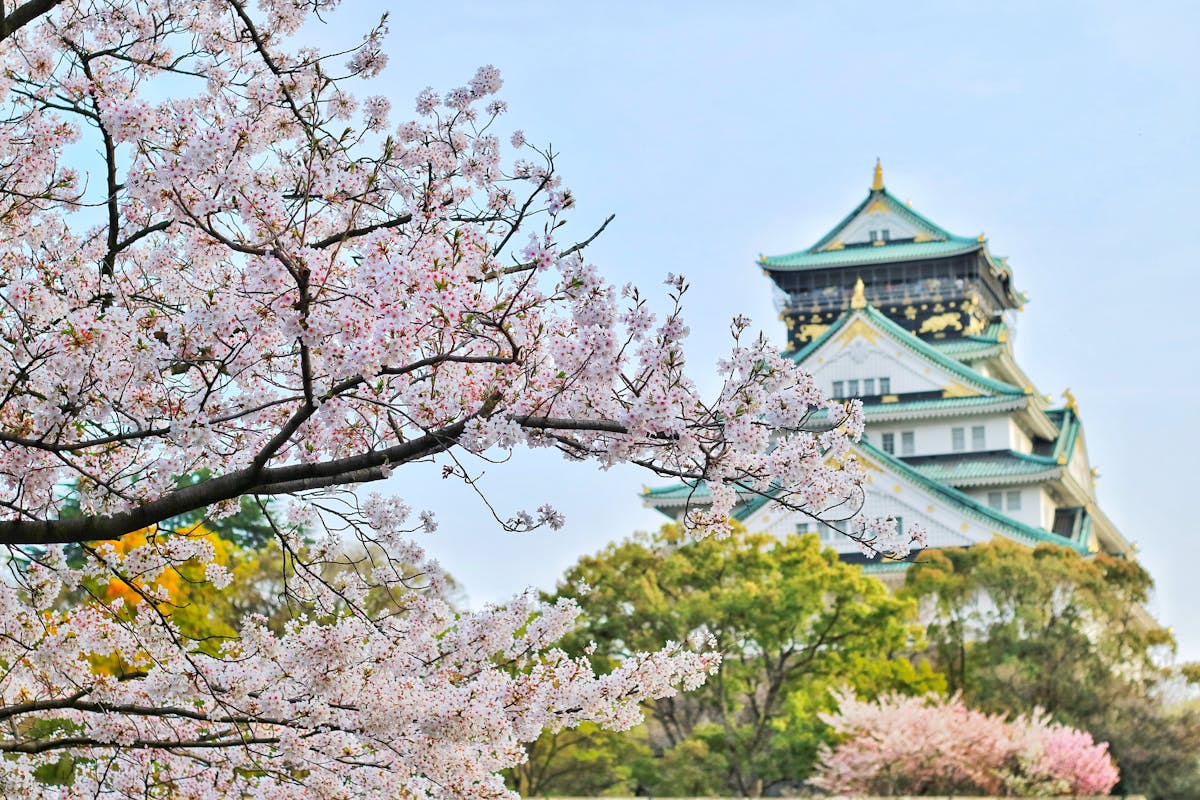
Shinjuku Gyoen (national garden, 500¥) is the finest park in Tokyo — especially beautiful in cherry blossom season (late March to early April) or autumn foliage (November). A farewell afternoon here, followed by a final dinner somewhere you discovered by accident, is the perfect way to leave a city that will make you want to come back.
Tokyo Budget Guide
| Category | Budget | Mid-Range | Comfort |
|---|---|---|---|
| Accommodation (per night) | ¥3,000–6,000 | ¥10,000–18,000 | ¥20,000+ |
| Meals (per day) | ¥2,000–3,500 | ¥4,000–8,000 | ¥10,000+ |
| Transport (per day) | ¥500–1,000 | ¥1,000–1,500 | ¥1,500+ |
| Activities (per day) | ¥500–1,500 | ¥2,000–4,000 | ¥5,000+ |